
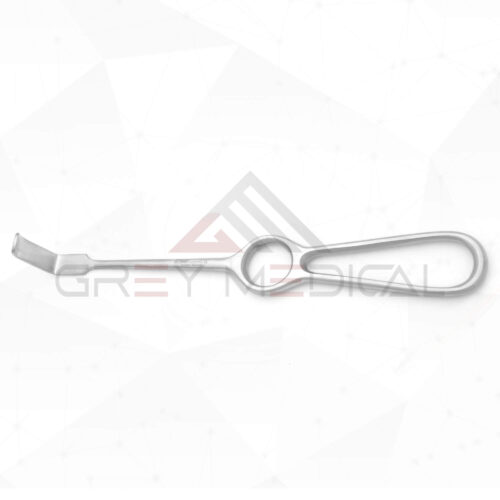
A langenbeck retractor is an important surgical instrument that helps medical professionals maintain clear visibility during different surgical procedures. Surgeons use this instrument to hold back soft tissues, muscles, and wound edges, allowing better access to the operating area. Its simple yet effective design makes it a valuable tool in hospitals, operating rooms, and surgical clinics. Moreover, its practical construction supports controlled tissue retraction and helps surgeons work with greater precision.
Surgical procedures require proper visibility and access to the targeted area. Therefore, reliable retractors play an essential role in creating a suitable working space. The Langenbeck retractor offers a straightforward solution by allowing surgical teams to move surrounding tissues away from the operative site without continuously holding them by hand.
What Is a Langenbeck Retractor?
A langenbeck retractor is a handheld surgical instrument designed to retract soft tissues during surgical procedures. It generally features a long, flat handle and a broad, curved or angled blade at one end. The blade allows the surgeon or surgical assistant to gently hold tissues away from the operating area.
Manufacturers produce this instrument in different sizes to accommodate various surgical requirements. Depending on the procedure, medical professionals can select a suitable blade width and length. Its ergonomic design also allows users to maintain a comfortable grip while applying controlled pressure.
Furthermore, the instrument provides a simple way to improve surgical exposure. Instead of allowing surrounding tissues to obstruct the surgeon’s view, it helps create a clearer working area.
Common Uses of a Langenbeck Retractor
Surgeons use this instrument in several types of surgical procedures where they need to move soft tissues aside. Its versatility makes it useful across different medical specialties.
Some common applications include:
- General surgery: Surgeons use it to retract soft tissues and improve access to the operative site.
- Abdominal procedures: It helps hold back tissue around the incision during selected operations.
- Orthopedic surgery: Medical professionals may use it to expose specific areas around bones and soft tissues.
- Plastic surgery: It supports tissue retraction during procedures that require careful visibility.
- Dental and oral surgery: Depending on its size and design, it may assist with tissue retraction in selected surgical settings.
However, the surgeon must always select the appropriate instrument according to the procedure and the patient’s anatomical requirements.
Key Features and Design
The design of a crile retractor focuses on simplicity, durability, and effective tissue management. Its main components work together to provide reliable handling during surgery.
Handle: The handle provides a secure gripping surface. Its length gives the user sufficient control while maintaining an appropriate working position.
Blade: The blade is the working end of the instrument. Its flat and angled structure allows medical professionals to retract soft tissues and maintain exposure.
Material: Surgical retractors commonly use high-quality stainless steel because it offers strength, corrosion resistance, and durability. These properties also make the instrument suitable for repeated sterilization when manufactured and processed according to appropriate standards.
Different sizes: Retractors are available in different dimensions. Consequently, surgical teams can choose a suitable option based on the depth, size, and location of the surgical incision.
Benefits of Using a Langenbeck Retractor
A langenbeck retractor offers several practical advantages during surgical procedures. First, it improves visibility by moving surrounding tissues away from the operative field. As a result, surgeons can observe the targeted area more clearly.
Second, its straightforward construction makes it easy to handle. Medical professionals can position it according to the requirements of the procedure and maintain controlled retraction. In addition, its reusable stainless-steel construction can provide long-term value when users follow proper cleaning, inspection, and sterilization procedures.
Another important benefit involves its versatility. Surgical teams can use different sizes for various procedures, reducing the need to rely on a single retractor design for every situation.
Nevertheless, users must apply appropriate pressure and avoid unnecessary tissue tension. Proper handling helps reduce the risk of tissue trauma and supports safe surgical practice.
How to Choose the Right Surgical Retractor
Selecting the correct surgical retractor requires attention to several factors. First, consider the type of procedure and the anatomical area involved. A smaller blade may work better for a limited surgical field, whereas a larger blade may provide more suitable exposure in deeper or wider incisions.
Next, examine the material and overall construction. High-quality stainless steel offers durability and supports repeated sterilization. Also, check the handle design because comfortable handling can improve instrument control during lengthy procedures.
Furthermore, inspect the blade for smooth edges, proper alignment, and any signs of damage. Medical professionals should always use instruments that meet the requirements of their facility and intended surgical application.
Cleaning, Sterilization, and Maintenance
Proper maintenance helps preserve the performance and service life of surgical instruments. After use, medical staff should follow the manufacturer’s instructions and their facility’s approved protocols for cleaning and decontamination.
First, remove visible contamination using appropriate cleaning methods. Next, inspect the instrument for corrosion, cracks, bending, or other damage. After cleaning, follow the recommended sterilization process before returning the instrument to storage.
Regular inspection also helps identify potential problems before the next procedure. Therefore, healthcare facilities should maintain a consistent instrument-care routine to support patient safety and reliable performance.
Why Choose Grey Medical®?
Choosing dependable surgical instruments is essential for healthcare professionals who value quality, precision, and consistent performance. Grey Medical® is a privately owned medical technology company dedicated to innovation and excellence in the craft of surgical instrument.
The company focuses on providing medical professionals with instruments designed to support the practical requirements of modern surgical environments. Quality materials, functional designs, and attention to manufacturing details all contribute to the value of surgical instruments.
When selecting a langenbeck retractor, healthcare professionals should consider its construction, dimensions, handling characteristics, and suitability for the intended procedure. These factors help ensure that the selected instrument meets their clinical requirements.
Conclusion
A langenbeck retractor remains a useful instrument in modern surgical practice because it helps retract soft tissues and provides improved visibility of the operative field. Its simple design, practical handling, and availability in different sizes make it suitable for various surgical applications.
However, choosing the correct size, applying appropriate pressure, and following proper cleaning and sterilization procedures are essential for effective use. By selecting well-constructed surgical instruments from trusted manufacturers such as Grey Medical®, healthcare facilities can support reliable instrument performance and maintain high standards of surgical care.