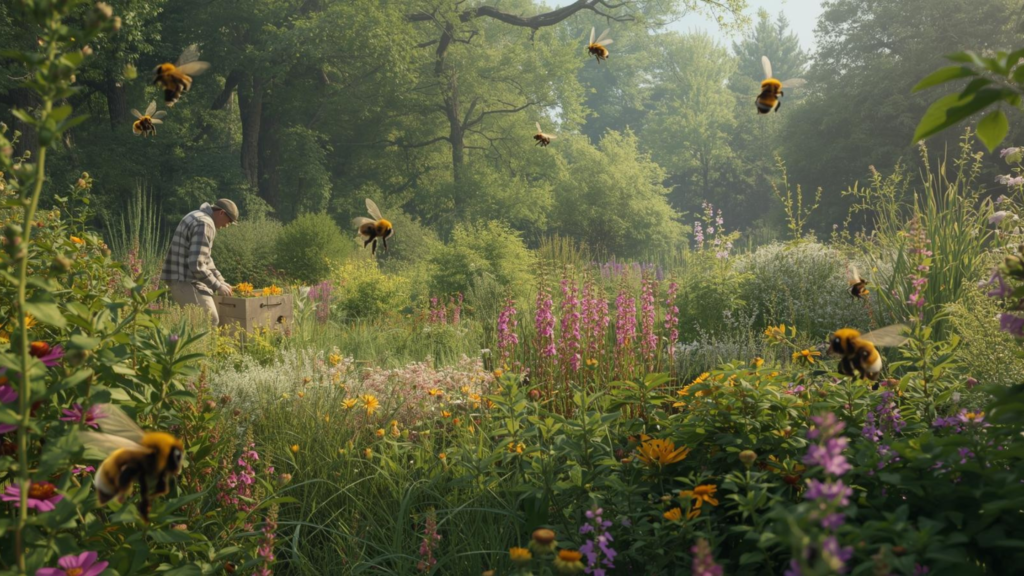

Bumblebees are some of the most fascinating and essential insects in the natural world. Known for their fuzzy bodies, gentle buzzing, and incredible pollination skills, these insects play a critical role in ecosystems and agriculture. Learning about bumblebee species, interesting facts about bumblebees, and how to interact safely with them can help us protect these pollinators and maintain a healthy environment.
This article explores why bumblebees matter, threats they face, conservation strategies, and tips for safe interaction.
Why Bumblebees Are Important
Bumblebees are vital for both natural ecosystems and human agriculture:
- Pollination: Bumblebees are efficient pollinators, visiting hundreds of flowers daily. Their ability to perform “buzz pollination” makes them essential for crops like tomatoes, blueberries, and peppers.
- Biodiversity support: By pollinating wildflowers, bumblebees help maintain diverse plant populations, which in turn support insects, birds, and other wildlife.
- Early-season activity: Unlike many other pollinators, bumblebees can fly in cooler temperatures, ensuring early blooms are fertilized.
Without bumblebees, gardens, farms, and wild ecosystems would struggle to thrive, making their conservation a priority.
Interesting Facts About Bumblebees
Here are some interesting facts about bumblebees that highlight their uniqueness:
- Bumblebees have fuzzy bodies that help them collect pollen efficiently.
- They are social insects, living in small colonies with a queen, workers, and males.
- A single bumblebee can visit hundreds of flowers in a single day.
- Bumblebees can sting multiple times, but they are generally non-aggressive.
- They are capable of buzz pollination, vibrating flowers to release pollen that other insects cannot access.
- Bumblebee colonies are typically annual, with only new queens surviving the winter.
These facts underscore why bumblebees are so important and why protecting them benefits both humans and the environment.
Bumblebee Species and Diversity
There are more than 250 bumblebee species worldwide, each with unique characteristics:
- Buff-tailed Bumblebee (Bombus terrestris): Common in Europe, identifiable by its pale tail.
- Garden Bumblebee (Bombus hortorum): Long-tongued species that favors deep flowers like foxgloves.
- Red-tailed Bumblebee (Bombus lapidarius): Notable for its bright red tail, found in Europe and parts of Asia.
- White-tailed Bumblebee (Bombus lucorum): Distinct white tail, commonly found in meadows and gardens.
- American Bumblebee (Bombus pensylvanicus): Native to North America and currently declining due to habitat loss.
Each species plays a critical role in pollination and maintaining ecological balance. Protecting a diversity of species ensures resilient ecosystems and productive gardens
Threats to Bumblebee Populations
Bumblebees face several challenges that threaten their survival:
- Habitat loss: Urbanization, deforestation, and intensive agriculture reduce nesting sites and foraging areas.
- Pesticides: Chemicals used in gardens and farms can harm bumblebees directly or reduce the flowers they depend on.
- Climate change: Altered weather patterns affect flowering times and bumblebee activity, disrupting their life cycle.
- Diseases and parasites: Pathogens like Nosema and Varroa mites can decimate colonies.
- Competition: Non-native species and overpopulation in limited areas reduce food availability for native bumblebees.
Awareness of these threats is the first step toward effective bumblebee conservation.
Tips for Bumblebee Conservation
Gardening, farming, and outdoor activities can contribute to bumblebee conservation:
1. Plant Pollinator-Friendly Flowers
- Choose a variety of flowers with different colors, shapes, and bloom times.
- Include early-blooming species to support queens emerging from hibernation.
- Native plants are best as they provide the most suitable nectar and pollen.
2. Avoid Pesticides
- Reduce or eliminate chemical use in gardens and farms.
- Use organic pest control methods to protect both bumblebees and beneficial insects.
3. Provide Nesting Sites
- Leave areas of undisturbed grass, leaf piles, or small logs for ground-nesting species.
- Avoid clearing these areas entirely, as they serve as safe havens for colonies.
4. Offer Water Sources
- Shallow dishes with pebbles or water trays allow bumblebees to drink safely.
- Ensure water sources are clean and accessible.
5. Educate Others
- Share knowledge about bumblebee species and their ecological importance.
- Encourage neighbors and communities to create bee-friendly spaces.
Gardening and Outdoor Safety Around Bumblebees
Even when conserving bumblebees, safety is essential:
- Observe from a distance: Bumblebees rarely sting unless threatened.
- Avoid nests: Queens and workers will defend their colony if approached.
- Move calmly: Sudden movements can provoke defensive behavior.
- Protective clothing: Wear long sleeves and gloves when working near flowers or potential nesting areas.
By respecting bumblebee behavior, you can help them thrive while avoiding stings.
Bumblebee-Friendly Gardening Practices
- Grow a diverse garden with a mix of flowers, vegetables, and herbs.
- Avoid removing all leaf litter or dead plants, which provide natural nesting spots.
- Rotate crops and plant cover crops to maintain nectar availability throughout the season.
- Incorporate hedges, wildflower strips, and meadows to expand foraging areas.
These practices not only protect bumblebees but also support overall biodiversity and soil health.
FAQs About Bumblebee Conservation and Safety
Q1: Why are bumblebees important for humans?
A: Bumblebees are key pollinators for fruits, vegetables, and wildflowers, supporting food security and ecosystem health.
Q2: How can I help bumblebees in my garden?
A: Plant pollinator-friendly flowers, avoid pesticides, provide water and nesting areas, and respect bee behavior.
Q3: Are all bumblebee species endangered?
A: Not all, but many species face decline due to habitat loss, pesticides, and climate change. Protecting diverse species is critical.
Q4: Do bumblebees sting often?
A: Bumblebees sting primarily in defense or when protecting their nest. They are generally gentle and rarely aggressive.
Q5: How can I learn more about bumblebee species?
A: Observing local gardens, joining citizen science programs, and reading guides about native pollinators are excellent ways to learn.
Final Thoughts
Bumblebees are not just cute, fuzzy insects—they are essential workers that keep our ecosystems and gardens thriving. Learning interesting facts about bumblebees, understanding the diversity of bumblebee species, and practicing safe interaction are key steps in conservation.
By planting pollinator-friendly gardens, avoiding harmful pesticides, providing nesting sites, and educating others, we can protect these vital insects. Gardening safely around bumblebees allows humans to enjoy nature while ensuring that these pollinators continue to support food production and biodiversity for generations to come.
Remember, protecting bumblebees benefits everyone—from the smallest flower in your garden to the fruits and vegetables on your table. Respecting their behavior and habitat ensures a safer and more harmonious coexistence with these incredible insects.