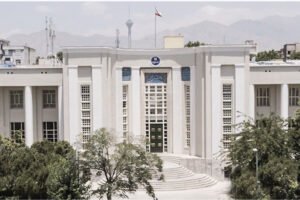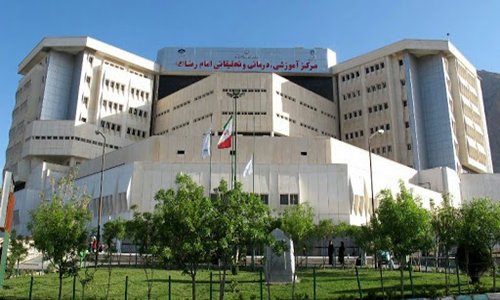

Pursuing an MBBS in Iran is becoming an increasingly attractive pathway for students who want affordable, high-quality medical education combined with international exposure. Iran has a long academic tradition in medicine, supported by modern universities, advanced hospitals, and strong government investment in healthcare education. For students considering living and studying abroad, understanding the cultural environment, academic expectations, lifestyle, and practical realities is essential before making such an important decision. Studying in Iran is not just about earning a degree — it is about adapting to a new country, building independence, and preparing for a global medical career.
Understanding Iran’s Medical Education System
Iran’s medical universities are regulated by the Ministry of Health and Medical Education, ensuring standardized training across institutions. The MBBS-equivalent medical program typically spans 6 years, combining theoretical science with early clinical exposure. Students study core subjects such as anatomy, physiology, pathology, pharmacology, and surgery while gaining hands-on hospital training.
Many universities teach medicine in English for international students, although learning basic Persian helps with patient communication during clinical years. Iranian medical education emphasizes discipline, practical competence, and patient-centered training. Students graduate with strong clinical foundations that prepare them for licensing exams and postgraduate opportunities abroad.
Top Universities and Academic Reputation
Iran hosts several internationally respected medical universities known for research and clinical excellence. Institutions such as Tehran University of Medical Sciences, Shiraz University of Medical Sciences, and Iran University of Medical Sciences are recognized across Asia and the Middle East.
These universities are equipped with:
-
Advanced teaching hospitals
-
Modern laboratories and research centers
-
Experienced faculty with global academic ties
-
Structured internship programs
Iran’s reputation in healthcare research, pharmaceuticals, and medical science continues to grow, adding academic credibility to its degrees.
Cost of Education and Living
Affordability is one of the strongest reasons students choose Iran. Compared to Western countries and private medical colleges elsewhere, the cost of studying medicine in Iran is significantly lower.
Estimated expenses include:
-
Tuition fees: ₹2.5 – ₹5 lakhs per year (varies by university)
-
Hostel accommodation: ₹50,000 – ₹1 lakh per year
-
Monthly living expenses: ₹8,000 – ₹15,000
-
Total course cost: Much lower than many private alternatives
Daily expenses such as food, transport, and utilities are economical. Many universities offer subsidized housing and campus dining facilities to support international students.
Hostel Life and Student Accommodation
Living arrangements are an important part of studying abroad. Iranian universities provide organized hostel facilities designed for safety and comfort.
Hostels typically include:
-
Furnished shared rooms
-
Heating and cooling systems
-
Study areas and internet access
-
On-campus dining options
-
24/7 security supervision
Students often build close friendships within hostel communities, creating a supportive environment that eases homesickness. Some choose private apartments, which are affordable and widely available in university cities.
Cultural Adaptation and Daily Life
Iran has a rich cultural heritage rooted in hospitality, tradition, and strong social values. International students often describe Iranian communities as welcoming and respectful. Understanding local customs — including dress codes and social etiquette — helps students integrate smoothly.
Major cities like Tehran, Shiraz, and Isfahan offer a blend of modern infrastructure and historical beauty. Public transportation is affordable and reliable, and student discounts are common. Iranian cuisine is diverse and flavorful, with many ingredients familiar to international students.
Living abroad encourages personal growth. Students develop independence, time management, and cross-cultural communication skills that extend beyond academics.
Language and Communication
While English-medium programs are available, daily life often involves Persian (Farsi). Universities frequently offer language support courses to help international students learn conversational basics.
Learning the local language improves:
-
Clinical communication with patients
-
Social integration
-
Confidence in everyday interactions
Students who embrace the language barrier often find it becomes an advantage, enhancing adaptability and global competence.
Safety and Healthcare
Iran is considered one of the safer countries in the region for international students. University campuses maintain strict security measures, and cities with medical schools have strong student communities.
Healthcare infrastructure is advanced, and medical insurance for students is typically affordable. Access to hospitals and pharmacies is easy, and emergency services are reliable. Universities also maintain international student support departments to assist with health, legal, and administrative matters.
Academic Expectations and Student Discipline
Medical education in Iran demands focus and dedication. Attendance policies are strict, and academic performance is closely monitored. Students are expected to maintain professionalism during clinical rotations and interact responsibly with patients.
This disciplined environment prepares graduates for the realities of medical practice. Students who thrive in structured academic systems often perform exceptionally well in licensing exams and postgraduate training.
Career Opportunities After Graduation
Graduates of Iranian medical universities can pursue multiple career paths:
-
Licensing exams to practice in their home country
-
Postgraduate specialization abroad
-
Research and academic medicine
-
International healthcare systems
Iran’s strong clinical training gives students a competitive edge when applying for advanced programs. Many graduates continue education in Europe, Asia, or the Middle East.
Emotional Growth and Independence
Studying medicine abroad is as much an emotional journey as an academic one. Living in a foreign country teaches resilience, adaptability, and confidence. Students learn to manage finances, build multicultural friendships, and solve problems independently.
These experiences shape personal maturity. By the time students graduate, they carry not only medical knowledge but also global perspective and life skills.
Conclusion: A Life-Changing Decision
Choosing to study medicine in Iran is a decision that blends education, culture, and personal transformation. Students gain access to affordable, high-quality training while experiencing a new way of life. The country’s academic reputation, safety, and supportive student environment make it a compelling destination for future doctors.
Living and studying abroad requires courage, but the rewards extend far beyond a degree. It builds character, broadens worldview, and lays the foundation for a confident global medical career. For students willing to embrace change, the journey becomes one of the most meaningful chapters of their lives.