
Excavators are among the most useful machines on construction sites. They are used for digging, trenching, demolition, land clearing, grading, material handling, and many other heavy-duty tasks. For contractors and project managers, renting an excavator can be a practical option when buying a machine is not suitable for a short-term project.
However, understanding excavator rental rates is important before signing a rental agreement. The rental price can vary significantly depending on the excavator’s size, rental period, location, attachments, delivery costs, and other factors. Looking only at the advertised daily price may not give you the complete cost.
This guide explains the main factors that influence excavator rental costs and what you should check before renting one.
What Are Excavator Rental Rates?
Excavator rental rates are the charges a rental company asks for using an excavator for a specific period. Rental companies may offer daily, weekly, or monthly rates depending on the equipment and project requirements.
A short-term rental may have a higher daily rate, while a longer rental period may provide a lower average cost per day. Some companies also offer flexible rental arrangements for projects that may continue longer than expected.
The quoted rental rate may cover the machine itself, but other expenses can sometimes be charged separately. These may include transportation, fuel, insurance, attachments, cleaning, damage protection, and additional operating hours.
For this reason, contractors should always ask for the complete rental cost rather than comparing only the basic machine price.
Excavator Size Affects Rental Cost
One of the biggest factors affecting excavator rental rates is machine size. Excavators are available in several categories, from compact mini excavators to large machines designed for major construction and earthmoving projects.
Mini excavators are generally suitable for smaller jobs such as:
- Residential landscaping
- Small trenches
- Drainage work
- Utility installation
- Backyard construction
- Light demolition
Larger excavators are designed for demanding work such as:
- Large-scale excavation
- Road construction
- Mining
- Commercial development
- Major foundation work
- Heavy demolition
A larger excavator normally costs more to rent because it has greater digging depth, lifting capacity, engine power, and operating weight.
Choosing the smallest machine that can safely handle your project can help control rental costs without reducing productivity.
Rental Duration Makes a Difference
The length of the rental period can have a major effect on the total cost. Rental companies commonly provide different rates for daily, weekly, and monthly rentals.
If you only need an excavator for one day, a daily rental may be the most suitable choice. However, if your project will take several weeks, a weekly or monthly agreement may offer better value.
Before renting, estimate how long you actually need the equipment. Avoid renting for too many days without a clear schedule because you may end up paying for unused equipment.
At the same time, renting for too short a period can create additional transportation or extension costs if the project takes longer than expected.
Location Can Affect Excavator Rental Rates
Rental prices can vary from one location to another. Local demand, equipment availability, transportation distance, and operating costs can all influence the final price.
For example, an excavator may cost more to rent in an area where construction activity is high and equipment demand is strong. In another location with more available machines, rental companies may offer more competitive prices.
Transportation is another important consideration. If the rental company needs to move a heavy excavator a long distance to your job site, delivery and pickup charges may increase the total rental cost.
It is therefore useful to compare rental companies operating close to your project location.
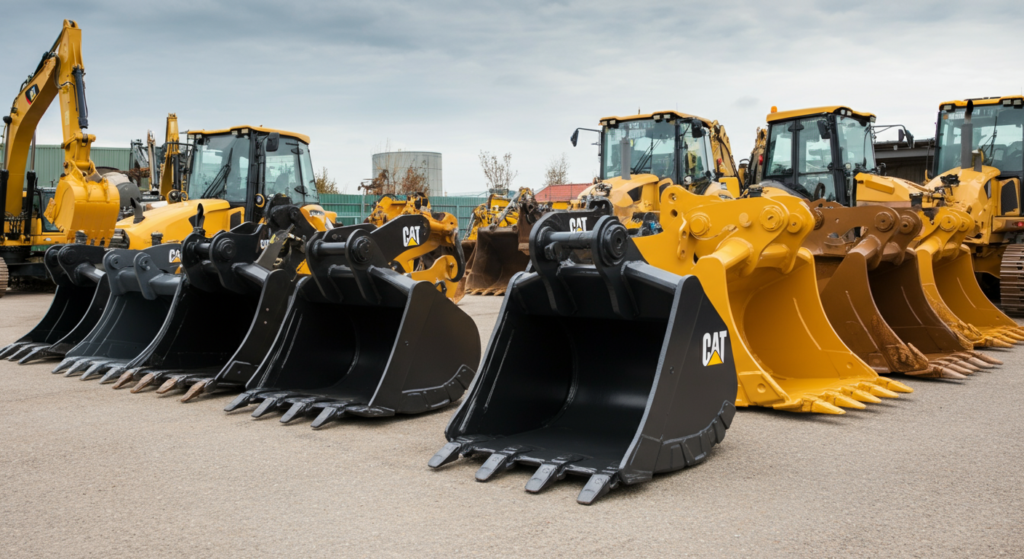
Attachments Can Change the Rental Price
An excavator is not limited to its standard digging bucket. Different attachments can make the machine suitable for specialized jobs.
Common excavator attachments include:
- Hydraulic breakers
- Augers
- Grapples
- Tilt buckets
- Compaction wheels
- Rippers
- Hydraulic thumbs
- Specialized digging buckets
Some rental companies include basic attachments with the machine, while others charge additional fees for specialized equipment.
Before renting, explain exactly what work you need to perform. The rental company can then recommend the appropriate excavator and attachments. Renting an unnecessary attachment can increase your costs without providing additional value.
Delivery and Pickup Costs
An excavator is heavy equipment, so it normally cannot simply be driven to a construction site like a standard vehicle. It may need to be transported using a suitable trailer or heavy equipment carrier.
Delivery and pickup fees can therefore become an important part of the total rental expense.
Ask the rental provider:
- Is delivery included?
- Is pickup included?
- How far does the quoted delivery price cover?
- Are there additional transportation charges?
- Who is responsible for preparing the site for delivery?
Getting these details in writing can prevent unexpected charges later.
Fuel and Operating Expenses
Fuel may or may not be included in the rental agreement. Many rental companies expect customers to return equipment with the same fuel level it had when delivered.
Fuel consumption depends on the excavator’s engine size, workload, operating conditions, and operator habits. A larger excavator may consume more fuel than a compact model.
Other operating expenses may include routine cleaning, lubrication, and minor maintenance responsibilities depending on the rental contract.
Always review the agreement carefully so you understand which operating costs are your responsibility.
Rental Agreement and Extra Charges
Before accepting an excavator rental, read the rental agreement carefully. The basic rental rate may not represent the complete amount you will pay.
Potential additional charges can include:
- Extra operating hours
- Late return fees
- Transportation
- Damage charges
- Cleaning fees
- Attachment rental
- Fuel charges
- Insurance or damage protection
- Excess wear and tear
Ask the rental company to explain any unclear terms. Understanding the contract before taking the machine can help you avoid disputes when the equipment is returned.
Operating Hours Matter
Some rental agreements include a specific number of operating hours. If you use the excavator beyond the included hours, the rental company may charge an additional hourly fee.
For example, a contractor may rent a machine for a certain number of days with a daily operating-hour limit. Working longer hours can increase the final rental cost.
When comparing excavator rental rates, check whether the quoted price is based on calendar days, working hours, or both.
This is particularly important for projects where the excavator will be used for long shifts.
Condition of the Excavator
The condition of the machine is another factor worth considering. A well-maintained excavator can provide reliable performance and reduce the chance of unexpected downtime.
Before accepting the equipment, inspect important components such as:
- Tracks or tires
- Hydraulic hoses
- Bucket and teeth
- Engine area
- Hydraulic system
- Controls
- Lights
- Safety equipment
- Undercarriage
Take photographs of existing damage and report it to the rental company before using the machine. This can help protect you from being held responsible for damage that was already present.
Insurance and Damage Protection
Insurance requirements vary between rental companies and locations. Some companies may require customers to provide proof of insurance before releasing heavy equipment.
Others may offer their own damage protection options for an additional fee.
Do not assume that your existing insurance automatically covers every type of excavator rental. Check with your insurance provider and rental company to understand the coverage requirements.
Having the right protection can help reduce financial risk if the equipment is damaged, stolen, or involved in an accident.
Compare Rental Companies
It is always a good idea to compare several rental providers before making a decision. However, do not compare prices based only on the advertised rental rate.
Instead, compare the complete package, including:
- Excavator size
- Rental duration
- Machine condition
- Attachments
- Delivery and pickup
- Operating-hour limits
- Fuel requirements
- Insurance
- Maintenance support
- Additional fees
A company with a slightly higher base rate may actually be cheaper when delivery, attachments, and other costs are included.
Choose the Right Excavator for the Job
Selecting the correct excavator is one of the easiest ways to manage rental expenses. A machine that is too small may take longer to complete the job, increasing the total rental period.
On the other hand, renting a machine that is much larger than necessary can increase fuel and transportation costs.
Consider the project’s digging depth, working space, soil conditions, lifting requirements, and type of work before choosing a machine.
For work in tight residential areas, a compact excavator may be more practical. Larger construction sites may require a full-size excavator with greater digging and lifting capacity.
Renting vs. Buying an Excavator
Rental is often useful when equipment is needed for a limited period. Buying may make more sense for contractors who use excavators regularly throughout the year.
Renting can reduce the need for a large upfront investment and may also eliminate some long-term ownership responsibilities. Contractors can select different machines for different projects instead of owning one machine for every type of job.
Buying, however, may provide better long-term value for businesses with consistent equipment needs.
The right choice depends on project frequency, budget, maintenance requirements, storage, and expected equipment usage.
Tips for Getting Better Rental Value
You can take several steps to keep your equipment rental costs under control.
First, determine exactly what type and size of excavator your project requires. Second, compare complete quotes from multiple rental companies. Third, ask about weekly and monthly rates if the equipment will be needed for an extended period.
It is also useful to plan your construction schedule before delivery. If the excavator arrives before the site is ready, you may pay for equipment that is sitting unused.
Finally, operate the machine correctly and follow the rental company’s instructions. Careful operation can reduce unnecessary wear and help prevent damage charges.
Conclusion
Understanding excavator rental rates involves more than checking a daily rental price. Machine size, rental duration, location, attachments, transportation, fuel, operating hours, insurance, and additional fees can all affect the final cost.
The best approach is to identify your project’s requirements first and then request detailed quotes from reliable rental companies. Compare the total cost and rental terms rather than choosing the cheapest advertised price.
With proper planning and the right equipment, renting an excavator can provide the power and flexibility needed to complete excavation, grading, trenching, demolition, and other construction tasks efficiently.