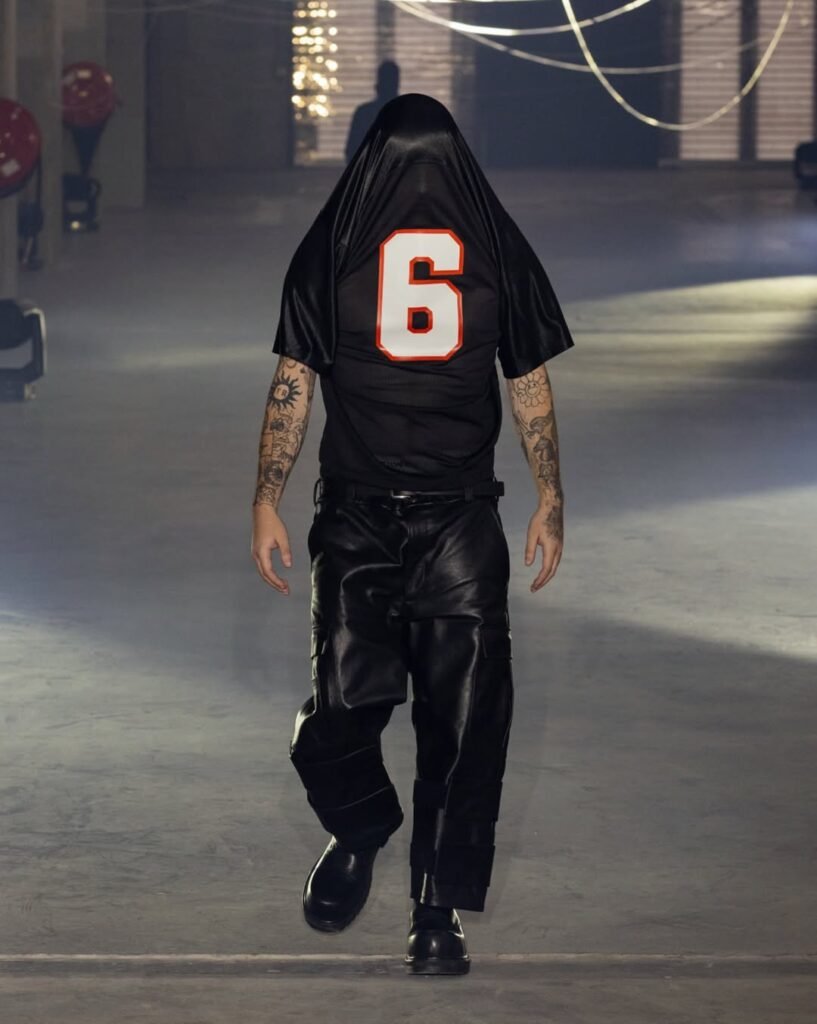

Vetements is one of the most talked-about names in contemporary fashion, a label that turned oversized hoodies, deconstructed denim, and ironic branding into a full-blown design philosophy. Since its founding in 2014, the Paris-based house has blurred the line between luxury and streetwear, challenging what “high fashion” is supposed to look like. This guide walks through the brand’s origins, its signature aesthetic, its most iconic pieces, and why it continues to shape how people dress and think about clothing today. Whether you’re a longtime fan or just discovering the label, this overview breaks down everything that makes vetements one of the defining names in modern streetwear culture and street-luxury crossover design.
The Origins of Vetements
Vetements — French for “clothes” — was founded in Paris in 2014 by Georgian-born designer Demna Gvasalia along with his brother Guram Gvasalia and a small collective of designers who initially chose to remain anonymous. The idea behind the brand was refreshingly simple: strip fashion of its pretension and make clothing that reflected how people actually lived and dressed. Rather than chasing red-carpet glamour, the founding team drew inspiration from everyday life — office workers, skaters, ravers, and the general chaos of city streets.
Demna, who had previously worked at Maison Margiela and Louis Vuitton, brought a background steeped in avant-garde tailoring and conceptual design. That technical foundation, combined with a rebellious, anti-establishment attitude, gave Vetements its unmistakable identity from day one. In 2015, Demna was also appointed creative director of Balenciaga, a dual role that helped cross-pollinate ideas between the two houses and cemented his reputation as one of the most influential designers of his generation. He later stepped back from Vetements in 2019 to focus fully on Balenciaga, and more recently moved on to lead Gucci. His brother Guram, who had run the brand’s business side since its founding, eventually stepped into the creative director role himself, keeping the label’s original spirit alive while steering its next chapter.
What Makes the Vetements Aesthetic So Distinct
Vetements built its reputation on a design language that feels deliberately unpolished, oversized, and a little bit wrong — in the best possible way. Instead of clean lines and tailored precision, the brand favors exaggerated proportions, mismatched layering, and garments that look almost thrifted despite carrying luxury price tags. This “ugly-cool” or “normcore” sensibility was, at the time of the label’s rise, a direct rebellion against the polished minimalism that dominated much of fashion in the early 2010s.
Key visual signatures include:
- Oversized silhouettes — hoodies, jackets, and t-shirts cut several sizes too large, creating a slouchy, deconstructed shape
- Elongated sleeves that extend past the wrist, sometimes with thumbholes built in
- Raw and deconstructed denim, often distressed or reworked from vintage pairs
- Bold, oversized logos and branding, frequently playing with corporate or bureaucratic typography
- Layering as a core styling technique, mixing formalwear with athletic or utilitarian pieces
- Repurposed and upcycled materials, including vintage band tees, workwear, and secondhand garments reimagined as luxury items
This approach turned everyday basics into statement pieces and helped normalize the idea that streetwear could sit comfortably within the world of high fashion.
Iconic Vetements Pieces Everyone Should Know
A handful of releases turned Vetements from a niche Parisian label into a global phenomenon. These pieces are still referenced constantly in streetwear and fashion circles.
The DHL T-Shirt
Perhaps the most famous piece the brand ever released, the DHL-branded t-shirt took the shipping company’s yellow-and-red logo and turned it into a $200+ fashion item. It became an instant symbol of fashion’s fascination with irony, appropriation, and the idea that context — not material — can define value.
Oversized Hoodies
Vetements popularized the exaggerated hoodie silhouette that countless other brands have since imitated. Extra-long sleeves, dropped shoulders, and boxy cuts became a signature shape associated directly with the label.
Reworked Denim
The brand’s deconstructed jeans, often stitched together from multiple pairs of vintage denim, showcased its commitment to upcycling and its willingness to treat clothing construction as an art form rather than a purely functional process.
Statement Outerwear
Bomber jackets, trench coats, and oversized parkas with bold graphics or unexpected proportions have remained a recurring theme across collections, often blending formal tailoring with utilitarian or workwear influences.
Vetements and the Streetwear-Luxury Crossover
Before Vetements, streetwear and high fashion largely existed in separate worlds. Streetwear was associated with skate culture, hip-hop, and independent labels, while luxury fashion lived in the realm of couture ateliers and exclusive runway shows. Vetements helped dissolve that boundary.
By presenting hoodies and sneakers on the same runway as tailored coats and structured dresses, the brand suggested that comfort, irony, and everyday utility could coexist with craftsmanship and high price points. This shift paved the way for collaborations between luxury houses and streetwear brands, and it influenced how major fashion houses began approaching casualwear more broadly. Many designers who came after have cited Vetements as a turning point in how the industry thinks about accessibility, irony, and the cultural relevance of “ordinary” clothing.
The Business Side: Anonymity, Hype, and Reinvention
Part of what made Vetements so compelling in its early years was its refusal to play by traditional fashion marketing rules. The founding collective initially stayed anonymous, avoiding the cult-of-personality approach that dominates much of the industry. Runway shows were held in unconventional locations — gay bars, McDonald’s-adjacent venues, and stripped-down warehouses — rather than glossy showrooms.
The brand also embraced limited releases and collaborations to fuel demand, a strategy borrowed from streetwear culture but applied within a luxury pricing structure. This scarcity-driven model helped generate intense hype around each drop, turning simple garments into must-have items discussed across fashion media and social platforms.
As the label evolved, it also launched VTMNTS, a sister brand with a slightly more refined and minimal expression of the same design values, giving the house room to experiment across different price points and aesthetics while keeping its core identity intact.
Why Vetements Still Matters Today
Years after its most disruptive moments, Vetements remains a reference point for designers and streetwear enthusiasts alike. Its influence can be seen in the continued popularity of oversized fits, ironic branding, and the general acceptance of casualwear as a legitimate category within luxury fashion. Brands across the spectrum, from mass-market retailers to high-end labels, have borrowed elements of the exaggerated, deconstructed look that Vetements helped pioneer.
The label’s willingness to question fashion norms — what counts as beautiful, what counts as valuable, and who gets to define trends — continues to resonate with a generation of shoppers who care as much about cultural commentary as they do about craftsmanship. Whether or not you own a single piece from the brand, its fingerprints are visible across much of contemporary streetwear.
Final Thoughts
Vetements T-Shirt didn’t just create clothing; it created a new way of thinking about what fashion could represent. By merging streetwear sensibilities with luxury execution, embracing irony over polish, and prioritizing cultural commentary alongside craftsmanship, the brand reshaped an entire era of design. For anyone interested in the evolution of modern streetwear, understanding Vetements’ journey — from an anonymous Parisian collective to a globally recognized name — offers real insight into how fashion trends are born, scaled, and absorbed into the mainstream. The label’s legacy is less about any single garment and more about the shift in mindset it sparked across the entire industry.