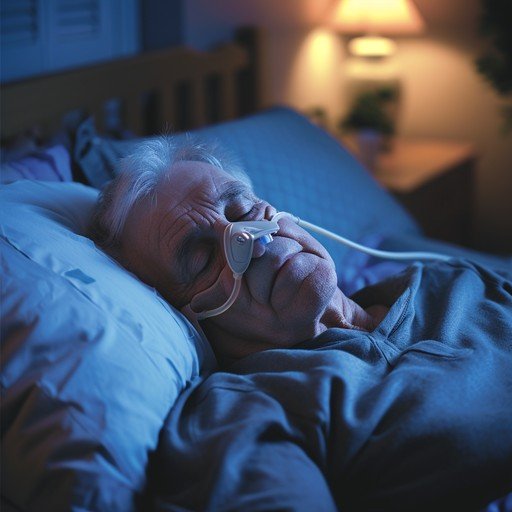

Spring blossoms and fall leaves might look beautiful, but if you have allergies, they can turn CPAP therapy into a nightly challenge. Congestion, post-nasal drip, and itchy eyes don’t just disrupt sleep—they can break your mask seal and reduce therapy effectiveness. Here’s how to stay comfortable when pollen counts rise.
Pre-Treat Congestion Use a saline nasal spray or rinse 30 minutes before bed to clear passages. If allergies are severe, talk to your doctor about non-drowsy antihistamines or nasal steroid sprays approved for nighttime use.
Adjust Humidifier Settings Dry, allergy-filled air often needs more moisture. Increase your humidifier setting slightly during high-pollen seasons. If you use a heated tube, ensure it’s set to prevent condensation while maintaining comfort.
Upgrade Your Filters Standard CPAP filters trap dust, but allergy sufferers may benefit from hypoallergenic or fine-particle filters. Replace them more frequently during peak seasons—every 2 weeks instead of monthly.
Clean More Often Allergens stick to masks, tubing, and humidifier chambers. Wipe your mask cushion daily with a CPAP-safe wipe. Wash tubing weekly with mild soap. Empty and rinse the humidifier chamber after every use to prevent mold or bacterial growth.
Create an Allergy-Friendly Bedroom Keep windows closed during high-pollen days. Use an air purifier with a HEPA filter near your bed. Wash bedding weekly in hot water to remove dust mites and pollen.
When to Seek Help If congestion persists despite these steps, or if you develop sinus pain, fever, or colored mucus, contact your provider. Untreated sinus issues can worsen sleep apnea symptoms.
Allergy season doesn’t have to derail your therapy. With small adjustments, you can breathe easy and sleep well year-round. For allergy-friendly supplies, humidifier accessories, and expert guidance, visit cpaprx